
Oral Surgeryin Decatur
If you’re dealing with a dental issue, there’s no need to wait in pain. Whether you require multiple dental implants or a simple extraction, oral surgery can correct issues and set your smile up for long-term success.
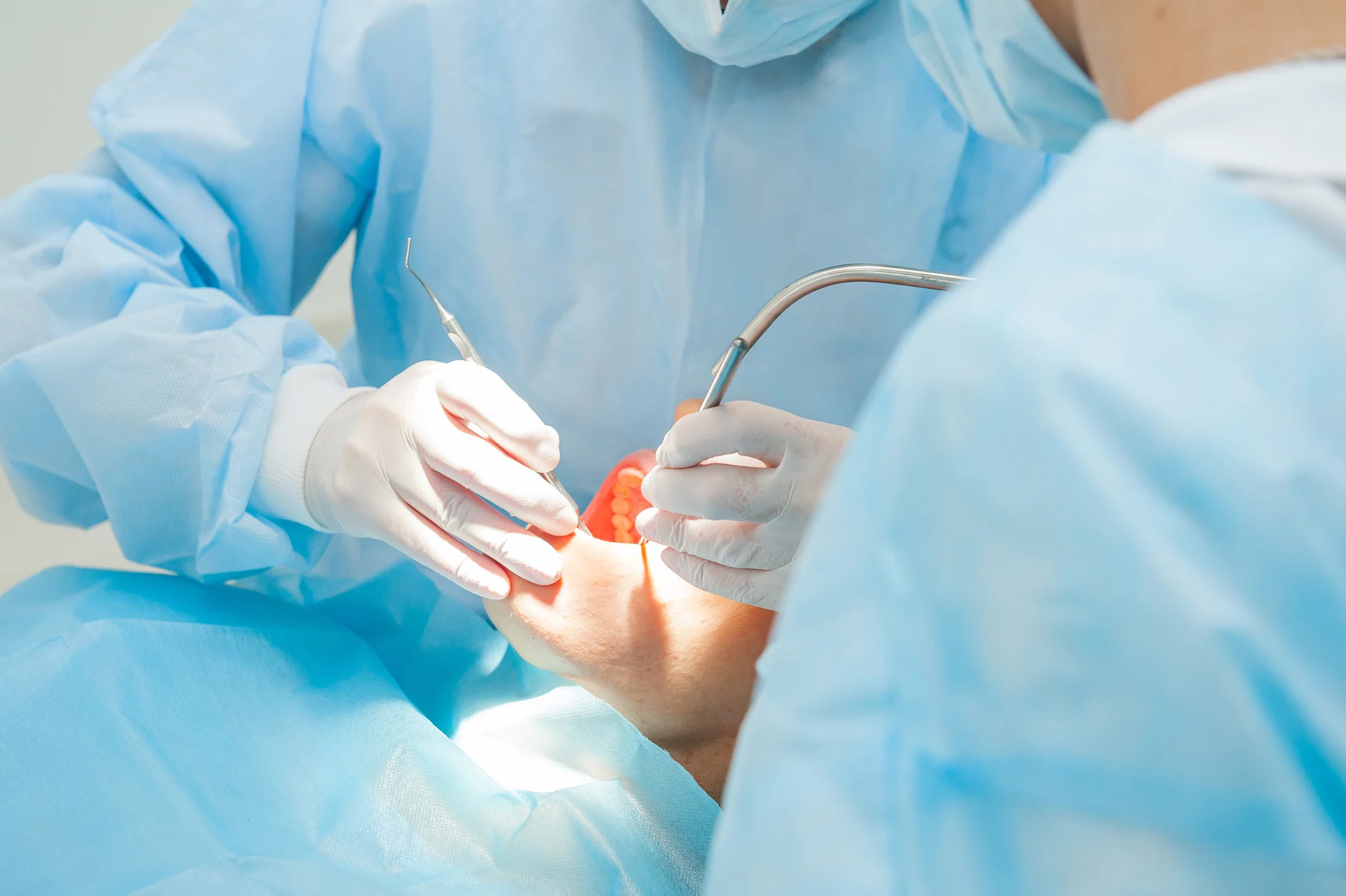
Why might I need oral surgery?
We get it. The term “oral surgery” can sound serious, painful, and expensive, but that isn’t always the case. Many patients undergo oral surgery to address common conditions, such as esthetic concerns, tooth loss, or other concerns affecting their oral health. Oral surgery can provide a solution to long-standing dental issues and help prevent them from getting worse over time. It can also restore the form and function of your mouth, helping you feel more comfortable and confident in your smile. If you’re wondering whether oral surgery may be right for you, reach out to Dr. Consky to start the conversation.
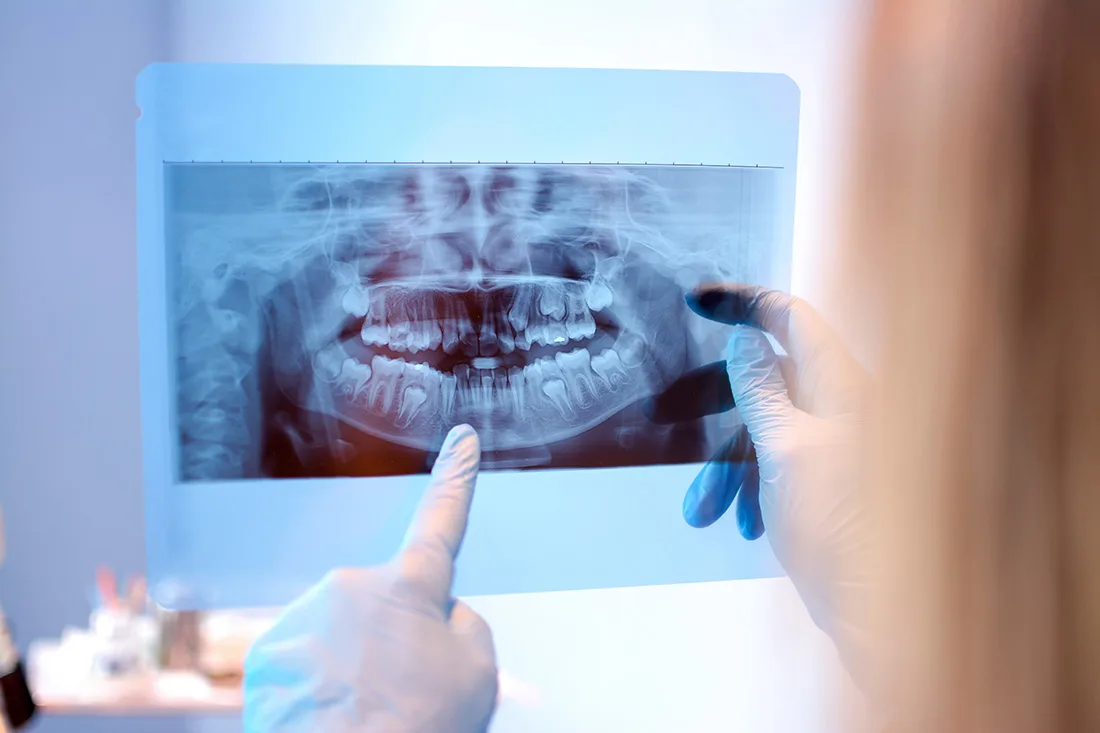
Platelet-Rich Fibrin
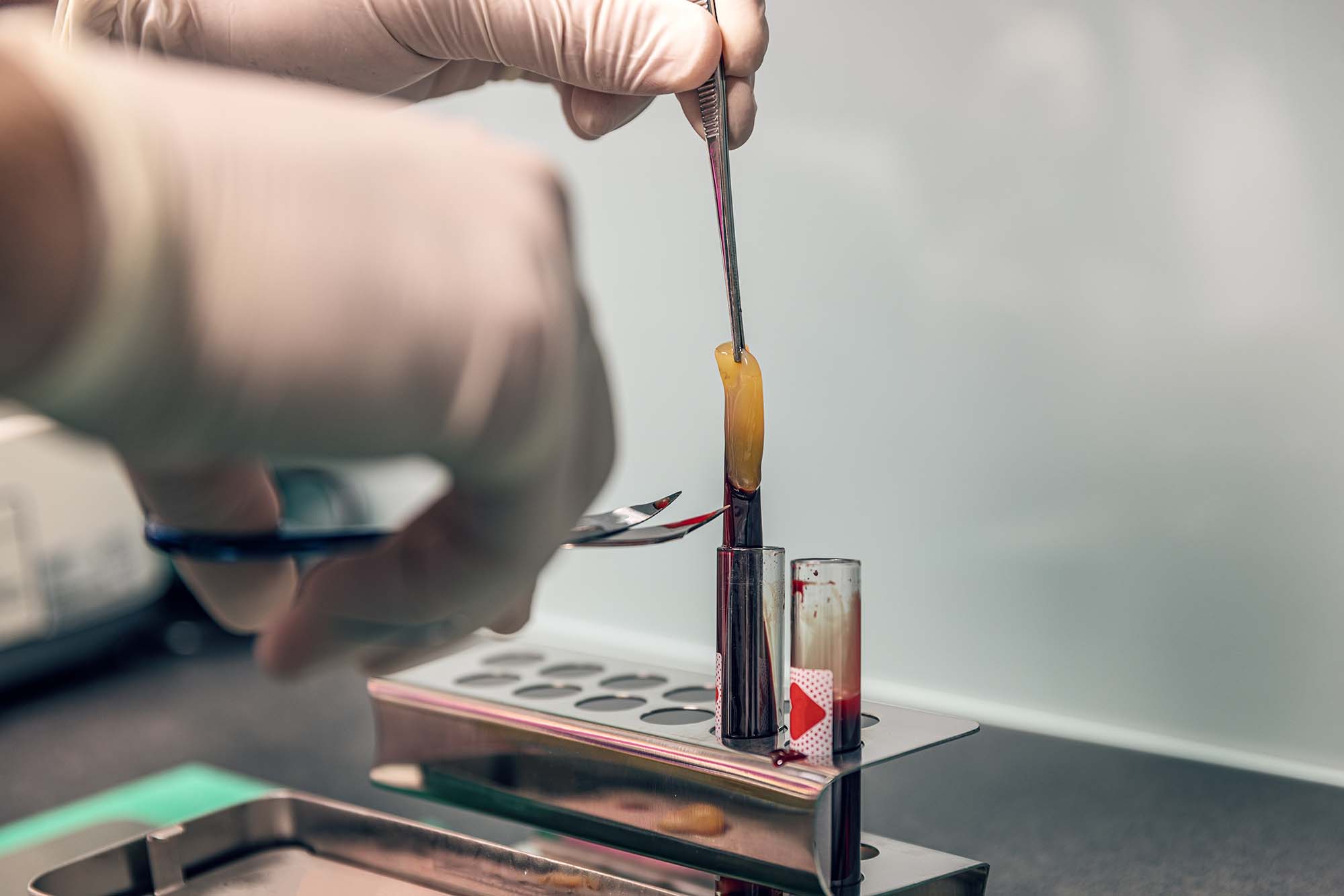
Platelet-rich fibrin, or PRF, uses a small sample of your own blood to support natural healing after surgery. When placed at the treatment site, PRF can help encourage tissue repair, reduce inflammation, and support a smoother recovery process.
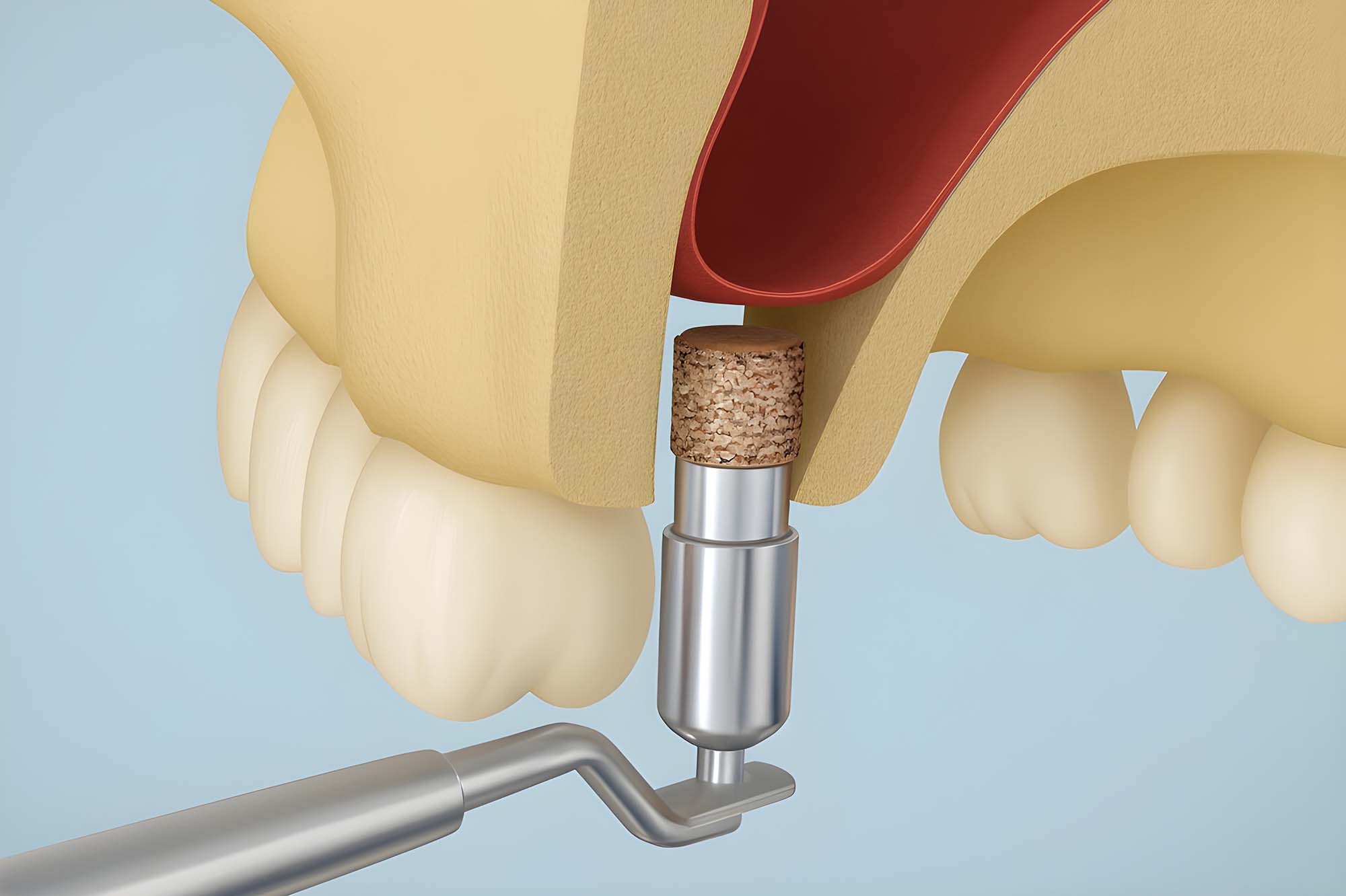
Sinus Lift
For patients who need dental implants in the upper back jaw, a sinus lift can help create the supportive foundation needed for long-term success. This procedure gently adds bone beneath the sinus cavity, making implant placement possible when natural bone volume is limited.
Oral Pathology
Changes in the mouth, jaw, or soft tissues should always be evaluated with care. Dr. Consky can assess concerning spots, growths, lesions, or other abnormalities and determine whether further testing or biopsy is needed for a clear diagnosis and next steps.

Opioid-Free Pain Control
With Exparel, we can offer long-lasting pain relief without relying on opioids after certain procedures. This advanced option helps reduce discomfort during recovery while supporting a safer, more comfortable healing experience.

Pediatric Patients
We provide oral surgery care for children and teens with a gentle, thoughtful approach. Our team takes time to explain each step, support anxious patients, and create an experience that feels as comfortable and reassuring as possible for both kids and parents.

3D Imaging
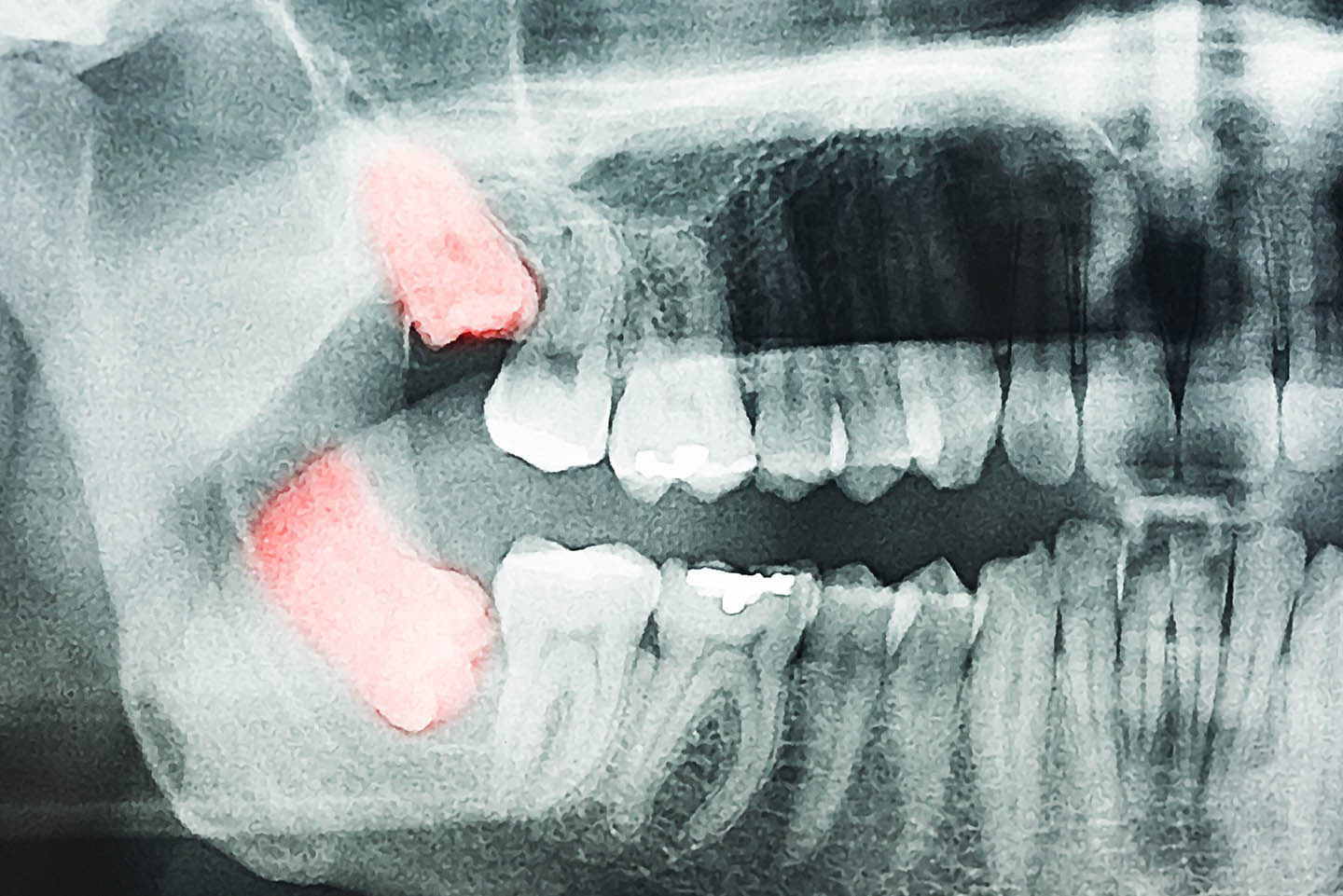
Our 3D imaging technology gives us a complete, detailed view of your oral anatomy before treatment begins. By seeing more than traditional X-rays can show, we’re able to create a more personalized surgical plan and approach your care with added accuracy.
Providing Expert Surgical Care
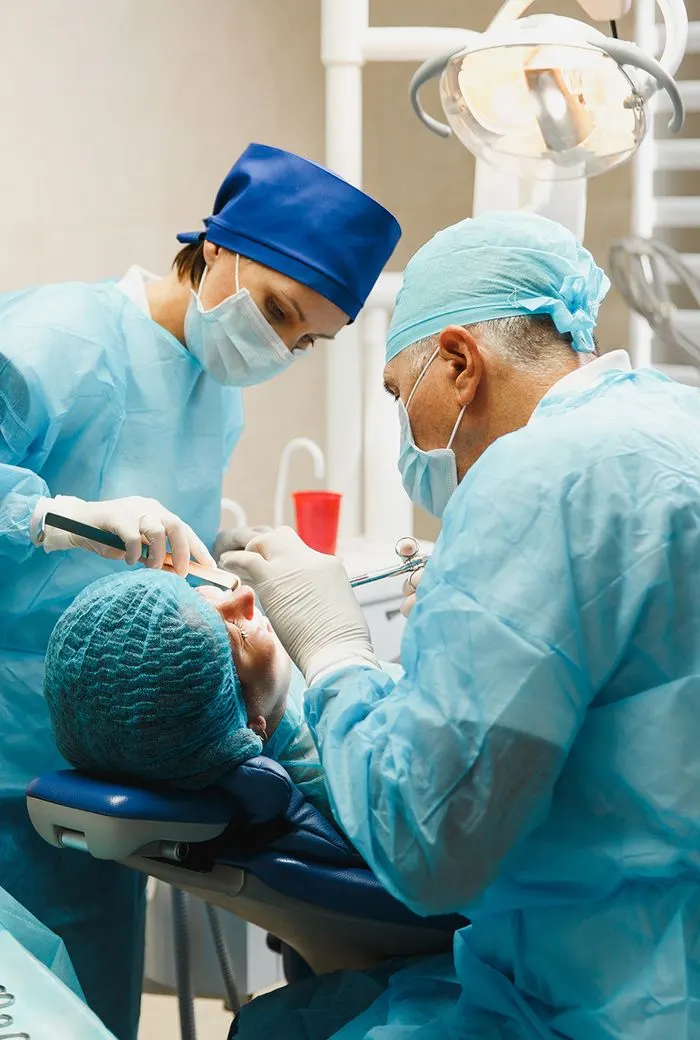
Your care is led by Dr. Consky, a dual MD-DDS degree, board-certified oral surgeon with advanced training in complex surgical procedures. From wisdom teeth removal to dental implant placement, you can feel confident knowing your treatment is guided by experience, precision, and a deep understanding of surgical care.
Soothing Sedation Options
You deserve to feel relaxed and pain-free throughout your visit. That’s why we offer a variety of sedation options to ensure a comfortable experience.

Cutting-Edge Technology
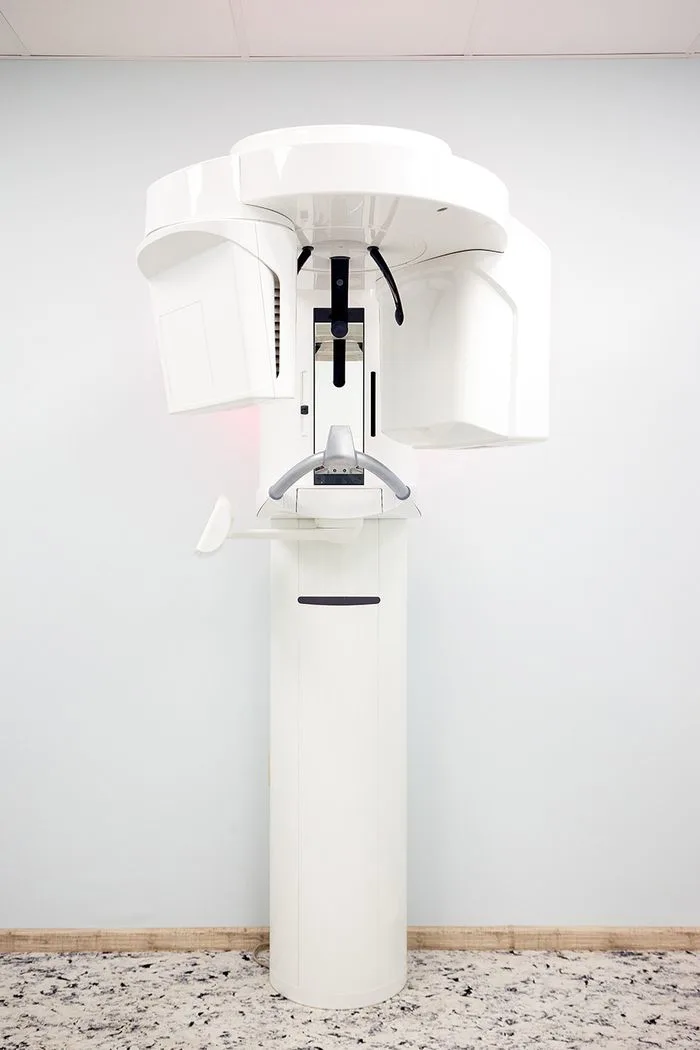
Our Cone Beam CT scan, also called "CBCT", takes a 3D x-ray of your mouth, teeth, and jaw, allowing our team to plan the most precise procedure possible.
The Benefits of Oral Surgery
Restore Your Smile’s Function
Oral surgery can help you chew, smile, and laugh with natural ease again.
Get You Out Of Pain
Dealing with a tender tooth or achy jaw? A surgical procedure can find a solution to your pain point.
Prevent Further Issues
By treating the root of your dental issue, we can keep dental problems from worsening down the road.
The Oral Surgery Treatment Process
Treatment Planning & Preparation

Treatment Planning & Preparation
Your consultation is typically scheduled on a separate day from your surgery so you have time to ask questions, review your treatment plan, and feel fully prepared before your procedure. During this appointment, Dr. Consky will walk you through your recommended treatment, explain what to expect on the day of surgery, and review how to prepare.
Day of Surgery

Day of Surgery
If you are undergoing IV or oral sedation, you will need to arrange for someone to drive you to and from your appointment, stay in the office during your procedure, and remain with you for the rest of the day after surgery. Dr. Consky will provide specific instructions based on your treatment plan, but in general, you should plan to take the day off and avoid driving, working, or making important decisions while the sedation wears off.
Healing & Aftercare

Healing & Aftercare
Specific after-care instructions will be reviewed and given to you at your consultation and after your surgery appointment. In the case of IV or oral sedation, they will be reviewed with your caregiver. Click here to link to a copy of general instructions.
FAQ's
Frequently Asked Questions
Check out these frequently asked questions, or call us to speak with our team.
An oral and maxillofacial surgeon completes specialized training and education beyond dental school. Some oral surgeons also choose to pursue both a medical degree and a dental degree, allowing them to bring a deeper understanding of medicine, dentistry, anesthesia, and surgical care to their patients.
At a minimum, oral surgeons complete a hospital-based surgical residency alongside medical residents in many different specialties, including anesthesia. Dr. Consky has both a medical degree and a dental degree, is licensed in both medicine and dentistry in the state of Georgia, and completed a six-year residency at Emory.
Click here to read Dr. Consky’s biography.
It completely depends on the procedure and the complexity of your case. Simpler procedures, such as tooth extractions, can take minutes; more time may be needed to properly sedate you. Complex procedures, like placing dental implants for a full arch or teeth, can take hours. Your oral surgeon will give you a thorough explanation of the procedure, tell you how to properly prepare, and let you know what to expect on the day.
The cost of oral surgery varies from procedure to procedure. Similar to time commitment, simpler surgeries will be less expensive and complex surgeries will be more expensive. If your dental and/or medical insurance does not cover your oral surgery, consider loans or a payment plan to get the care you need.
Possibly, depending on your insurance provider and coverage. You should talk to your dental and medical insurance providers to see if your recommended oral surgery is covered. It may also be worthwhile to file your claim with both your dental insurance provider and your medical insurance provider, since the surgery may qualify as a medically necessary procedure.