
Bone Graftingin Decatur
Waiting to replace a lost tooth has its consequences. Bone resorption begins soon after your tooth is lost and makes it difficult, and sometimes impossible, to properly place dental implants. Luckily, bone grafting can make you an ideal candidate for dental implants.
What is bone grafting?
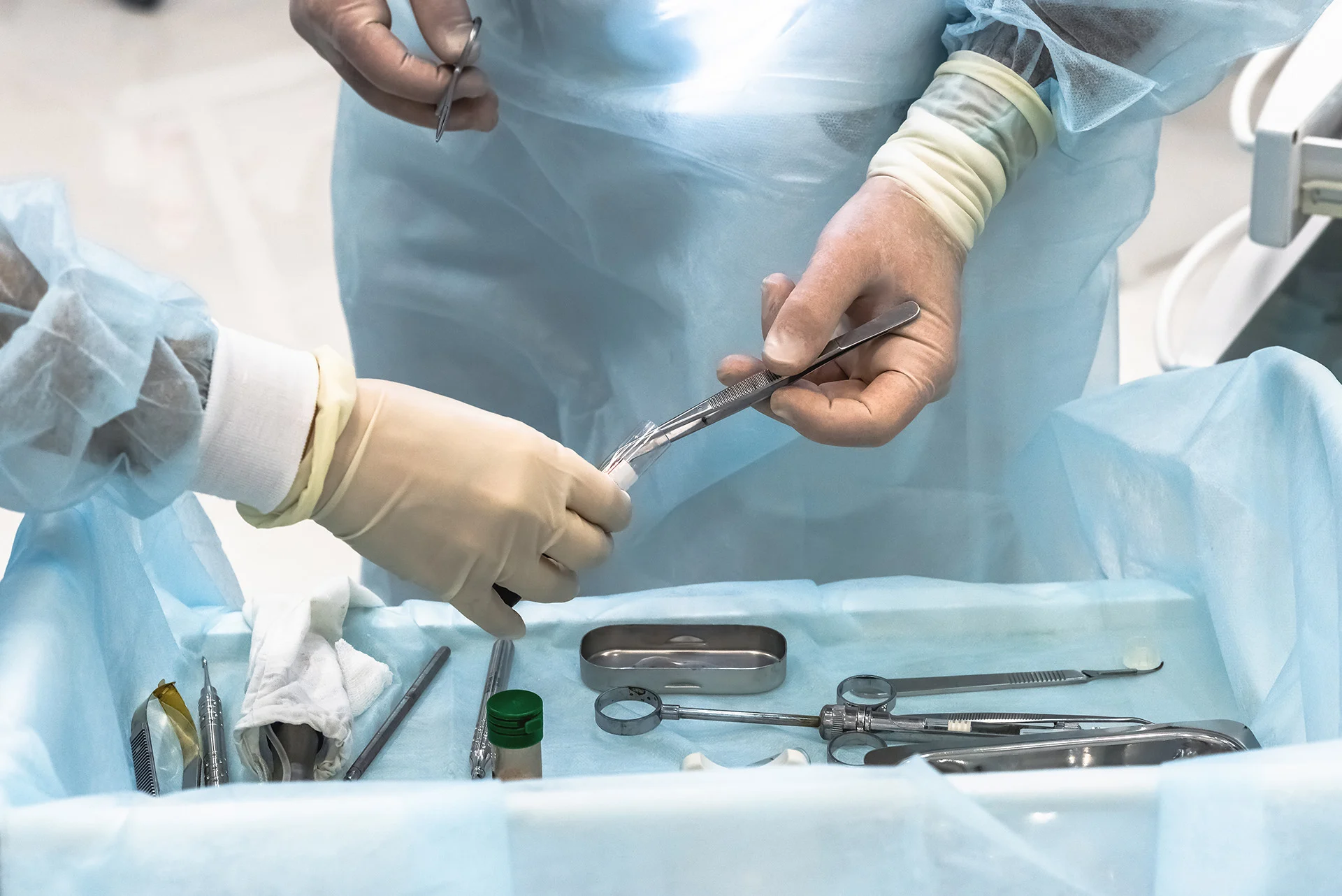
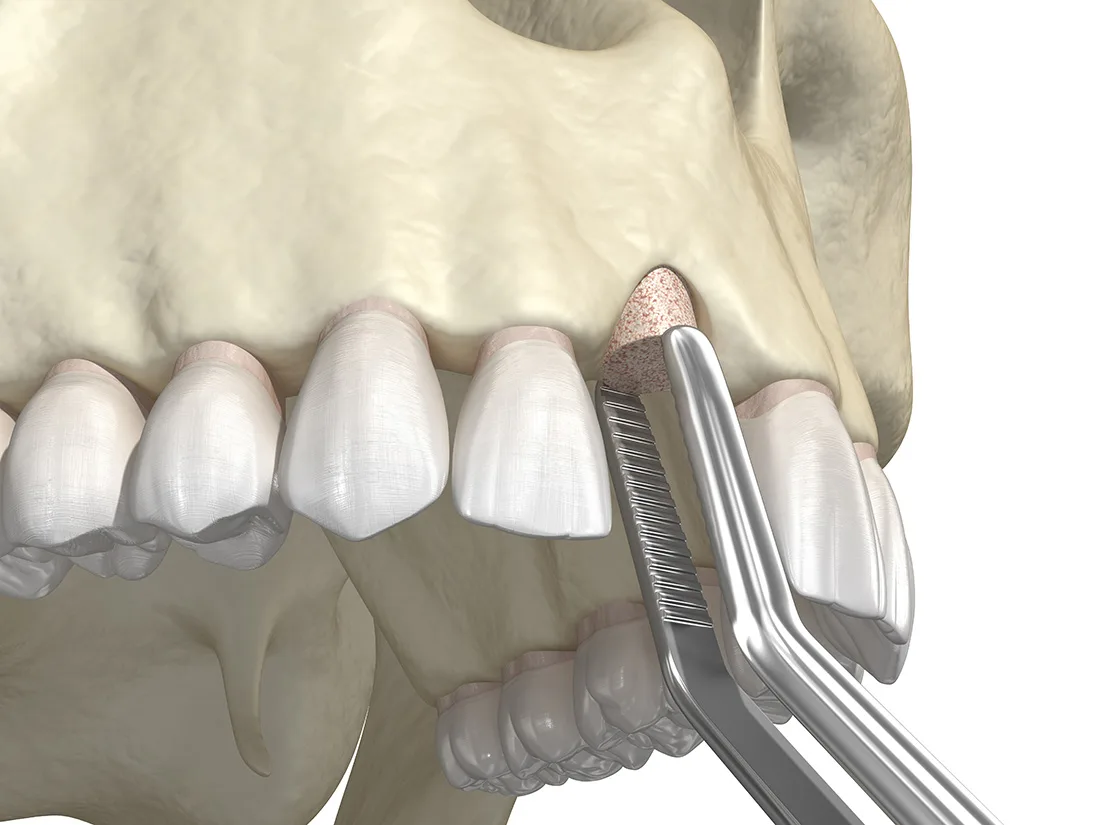
Bone grafting is an oral surgery that is performed to increase bone density in patients who have experienced resorption after tooth loss or need additional bone in their jaw to support a dental implant. Dental implants are the best way to restore missing teeth as they look and feel natural and can last a lifetime with proper care. Bone grafting is an initial step that can expand your options for tooth replacement.
Platelet-Rich Fibrin
Platelet-rich fibrin, or PRF, uses a small sample of your own blood to support your body’s natural healing process after bone grafting. When placed at the treatment site, PRF can help encourage tissue repair, support bone regeneration, and promote a smoother recovery.

CBCT 3D X-rays
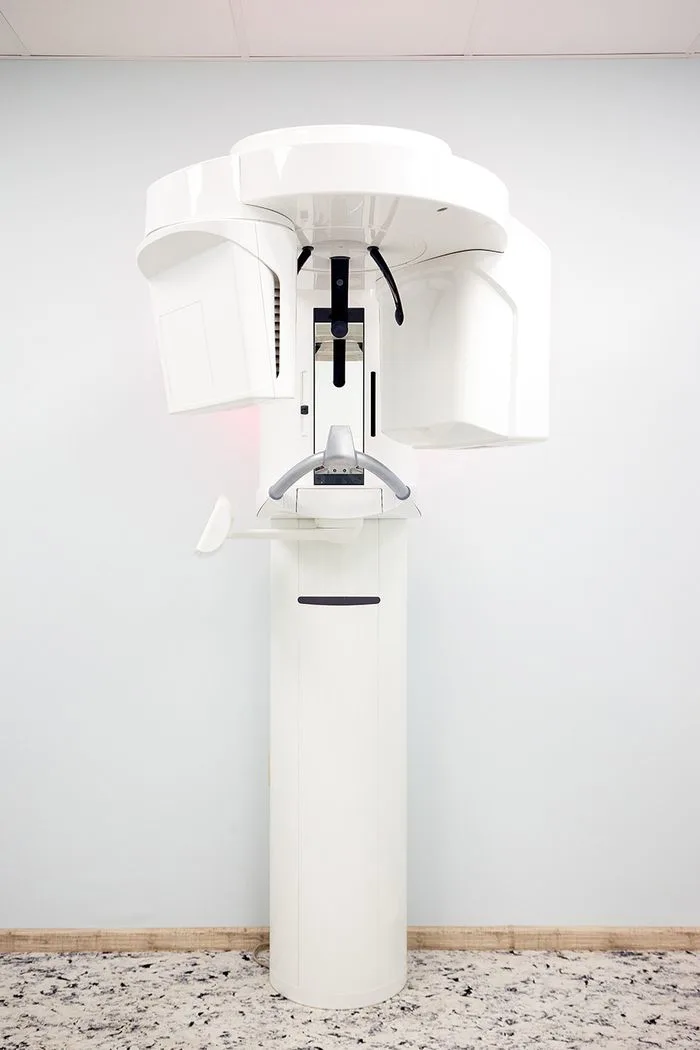
CBCT (Cone-beam computed tomography) scanners allow us to see a 3D view of your teeth, and the underlying structures for more precise treatment planning.
The Benefits of Bone Grafting
Prepares You For Dental Implants
Dental implants are superior to all other methods of tooth replacement, including partial dentures and dental bridges. With a bone graft, you can strengthen your jaw bone and prepare for a permanent dental implant.
Maintains Your Appearance
Over time, jaw bone loss can lead to a “sunken” appearance and changes in your facial structure. With bone grafts and dental implants, your facial structure won’t change, and you can maintain your appearance.
Prevents Further Bone Loss
Jaw bone loss will only get worse over time without treatment. With a bone graft, you can reverse it, and dental implants help stimulate your jaw and keep it healthy. This prevents the weakening of nearby jaws and teeth.
The Bone Graft Process
Initial Consultation

Initial Consultation
First, your oral surgeon will need to take a look at your mouth to make sure bone grafts are necessary for your implant. They will perform an oral exam, take x-rays of your jaw, and review your dental history to determine if bone grafting is appropriate for your situation.
Bone Grafting Procedure
Bone Grafting Procedure
If you’re approved for treatment, you’ll come back for a follow-up and get your surgery. To begin the procedure, Dr. Consky will clean and numb the treatment area. Then, she will create a small opening in the gums and jaw, and pack special bone granules into the area. After this, she will clean up the treatment area and suture it shut. You’ll be sent home to rest and recover.
Aftercare & Healing

Aftercare & Healing
You’ll follow Dr. Consky's recovery instructions, and your mouth will feel normal after 1-2 weeks. However, it will take up to 3-4 months for new, healthy bone material to heal around your graft. You’ll come back to our office for a few follow-ups during this time, and Dr. Consky and her team will make sure your recovery is on track.
FAQ's
Frequently Asked Questions
Check out these frequently asked questions, or call us to speak with our team.
The length of time required to perform a bone graft can vary depending on several factors. Where the graft is taking place, the size of the graft, and the type of material used can all impact the duration of your procedure. Your oral surgeon will provide you with a thorough explanation of the treatment, and give you information about what to expect on the day of the procedure and how to properly prepare for it.
The cost of oral surgery varies from procedure to procedure based on the complexity of the surgery and the materials used. If your dental and/or medical insurance doesn’t cover your oral surgery, ask about financing options so you can create a payment plan that fits your needs, budget, and lifestyle.
Bone grafts may be covered in full or in part by your insurance provider depending on your particular plan and scope of coverage. Talk to your dental and medical insurance providers about your benefits to find out if your recommended oral surgery will be covered. We recommend filing your claim with both your dental and medical insurance providers, as the surgery may qualify as a medically necessary procedure.
There are several types of bone grafting materials that may be used depending on your needs, anatomy, and treatment plan. Common options include allografts, autografts, xenografts, and synthetic bone grafts.
Allografts use bone tissue from a human donor to help replace missing bone and support new bone growth.
Autografts use bone tissue taken from another area of your own body to restore lost volume in the jaw.
Xenografts use bone grafting material from an animal donor, most commonly bovine or porcine sources. These grafts can take longer to integrate with your natural bone, but they may also provide long-lasting support in certain cases.
Synthetic bone grafts are made from biocompatible materials that can be used in place of donor tissue. They offer flexibility in treatment planning and may be the best option for certain patients.