
Impacted Canine Treatmentin Decatur
When a canine tooth gets stuck beneath the gumline, early treatment makes all the difference. We work with your orthodontist to bring your impacted canine into proper position and protect the long-term health of your smile.
Why does an impacted canine need treatment?
Canine teeth play a critical role in your bite and the overall structure of your smile. They have the longest roots of any tooth in your mouth and serve as the anchor points that guide your upper and lower jaws together. When a canine becomes impacted, meaning it gets stuck in the jaw and can't erupt on its own, it can cause crowding, damage to neighboring teeth, and bite problems that worsen over time. With the right combination of oral surgery and orthodontic care, most impacted canines can be guided into their correct position without extraction.
Please click here to view a short video about
Impacted Canine Treatment
%402x.svg)
Sedation Options Available
You deserve to feel relaxed and pain-free throughout your visit. That’s why we offer a variety of sedation options to ensure a comfortable experience.
.webp)
Coordinated Orthodontic and Surgical Care
Treating an impacted canine is a team effort. We work directly with your orthodontist to coordinate every phase of treatment, from creating space in the arch to exposing the tooth and guiding it into position. Clear communication between providers means a smoother experience for you.
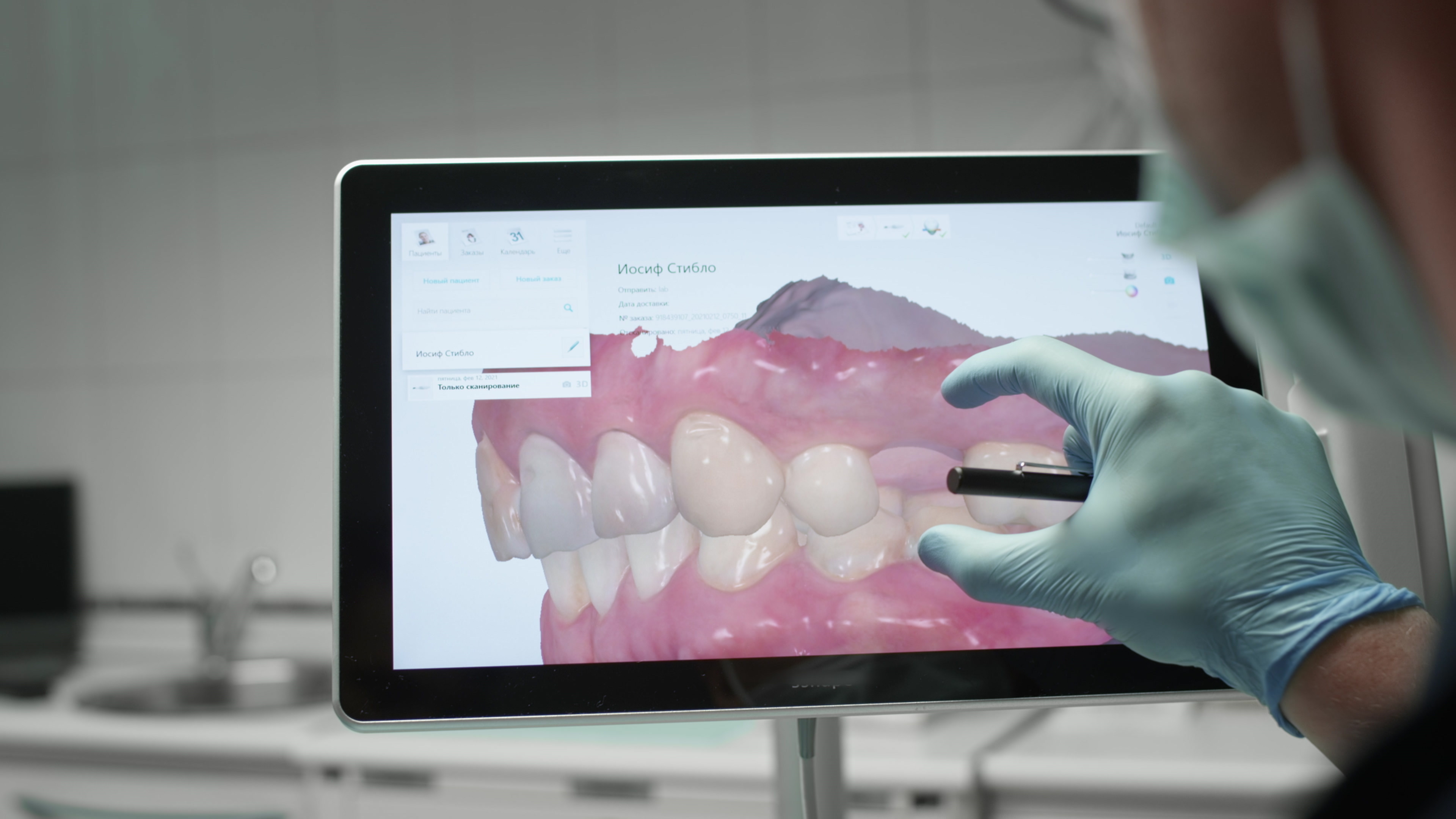
Precise 3D Imaging
We use advanced 3D cone beam imaging to locate the exact position of your impacted tooth before treatment begins. This allows us to plan the procedure with accuracy and reduces guesswork during surgery.
The Benefits of Treating an Impacted Canine
Preserve Your Tooth
Exposure and bracketing allows us to save the impacted tooth and bring it into its natural position, which is almost always the better long-term outcome for your bite and bone health.
Protect Your Smile
An untreated impacted canine can press against the roots of adjacent teeth, causing damage that may not be visible until it becomes serious. Early intervention prevents that from happening.
Complete, Functional Smile
Once your canine is in position, your bite functions the way it should. Canines are your hardest-working teeth, and having them properly placed makes a meaningful difference in how you chew, speak, and smile.
The Impacted Canine Treatment Process
Evaluation and Treatment Planning
Evaluation and Treatment Planning
We start with a thorough exam and, in most cases, 3D imaging to determine exactly where your impacted canine is positioned. We'll review your orthodontic history and coordinate with your orthodontist to develop a treatment plan. Most cases require braces or an arch wire to be placed first, to open up space in the dental arch before surgery.
Exposure and Bracketing
Exposure and Bracketing
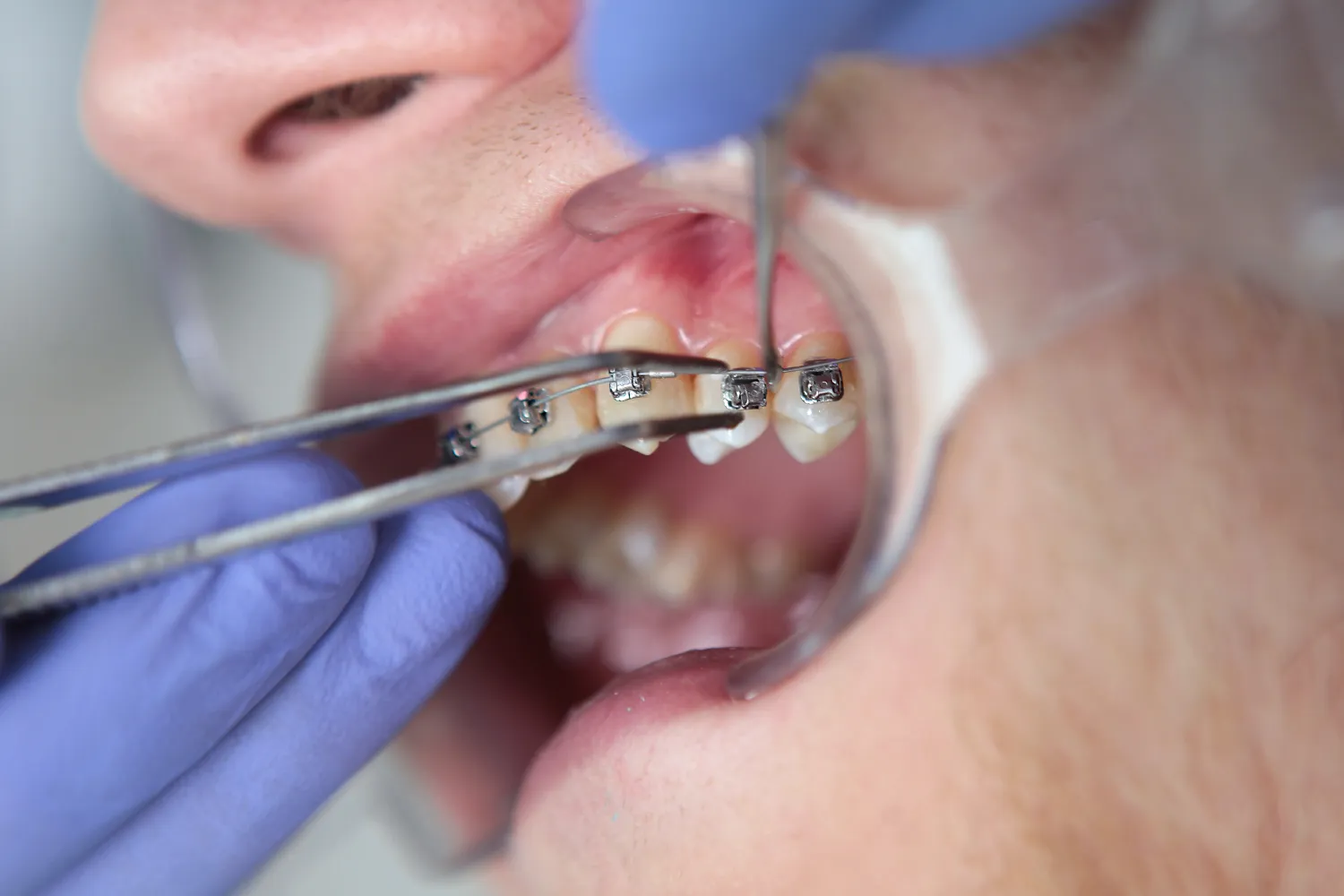
Once space has been created in the arch, we perform a minor in-office surgical procedure to expose the impacted tooth. We lift the gum tissue to uncover the tooth, remove any obstructions, and bond a small orthodontic bracket with a miniature chain or a spring to the tooth. The chain or spring is connected to your arch wire, and the gum is gently stitched back into place. The procedure typically takes just over an hour and is performed under general anesthesia, with sedation available if needed.
Orthodontic Guidance and Follow-Up
Orthodontic Guidance and Follow-Up
After surgery, your orthodontist takes over, using the chain and bracket to apply gentle pressure that gradually guides the canine into its proper position. This process typically takes several months to a year. We'll follow up to monitor healing and coordinate with your orthodontic team throughout. Once the tooth is fully in place, the bracket and chain are removed and treatment is complete.
FAQ's
Frequently Asked Questions
Check out these frequently asked questions, or call us to speak with our team.
An impacted tooth is one that is stuck in the jaw and unable to erupt into its normal position in the mouth. Upper canines are the second most frequently impacted teeth after wisdom teeth. The tooth may be blocked by a baby tooth that hasn't fallen out, crowding in the arch, or simply an unusual angle of development.
Impacted canines are often identified during a routine dental exam or on X-rays. If a canine hasn't appeared by around age 13, or if there's an obvious gap where it should be, that's typically a signal to investigate further. Early screening around age 7 allows us to spot potential issues before they become harder to treat.
Most patients experience minimal discomfort during and after the procedure. We use both sedation and local anesthesia to help keep you comfortable throughout your visit. After surgery, any soreness is typically mild and manageable with over-the-counter or prescribed pain medication for the first few days.
The surgical procedure itself usually takes just over an hour. The orthodontic phase that follows, where the tooth is gradually guided into position, typically takes several months to a year depending on where the tooth is positioned and how the treatment progresses.
In most cases, leaving an impacted canine untreated is not recommended. Over time, the impacted tooth can put pressure on the roots of neighboring teeth, contribute to crowding, and create bite problems that become more difficult to correct. Early treatment tends to produce better outcomes with less complexity.
Coverage varies depending on your plan and the specifics of your case. We also offer payment options to ensure your care and treatment is within reach. Contact our team! We’d be happy to help you work through your options.